
Buying a home for the first time can feel overwhelming. But don’t worry — understanding each phase of the home buying process makes everything more manageable. Whether you’re considering a duplex, vacation home, or simply want to stop renting, this guide breaks down every step in plain language.
Here’s the good news: With the right knowledge, tools, and support, you can confidently navigate the process and land the home of your dreams.
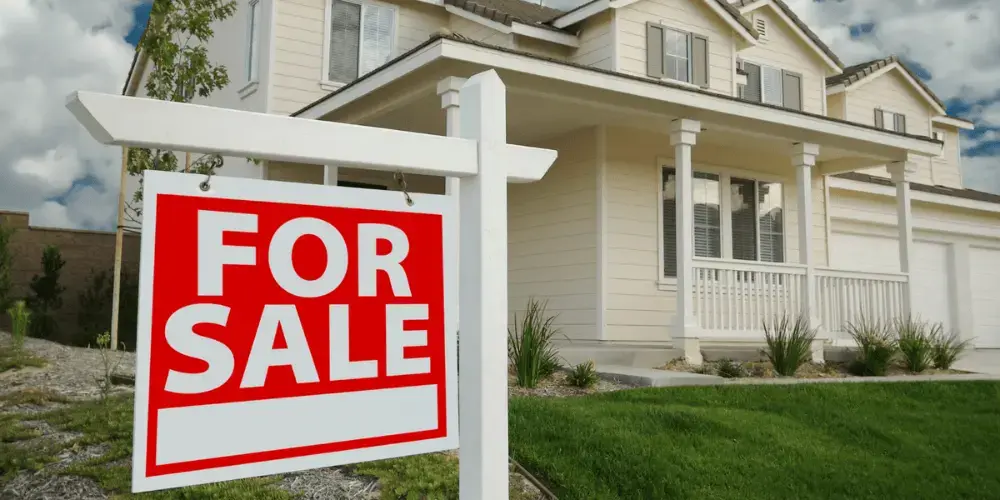
Content
The home buying process is a series of steps that transforms you from a hopeful buyer into a proud homeowner. This journey includes getting preapproved for a home loan, finding the right property, negotiating an offer, conducting inspections, and finally closing the deal.
For first-time home buyers, each step may seem daunting — but preparation is key.
Before browsing homes, check your financial health:
- Your credit score
- Monthly income vs. existing debts
- Savings for down payment and closing costs
Most people think they need 20% down, but thanks to FHA loans and other programs, you might qualify with just 3.5%. Keep in mind: the stronger your credit, the better your mortgage terms.
Getting preapproved for a home loan is essential before you begin house hunting. This shows sellers you’re serious and financially capable.
To get preapproved, lenders will assess:
- Credit report and score
- Employment verification
- Income and bank statements
- Debt obligations
Preapproval gives you a solid idea of your price range and boosts your credibility when making offers.
Not all loans are created equal. Here are common types:
- FHA loans: Ideal for lower credit scores or small down payments
- Conventional loans: Best for buyers with strong credit and stable income
- VA loans: For veterans and military members with no down payment
Compare your options. When choosing between FHA vs conventional loans, think about your long-term financial goals and monthly payment comfort.
A professional agent can be your greatest asset. They help you:

- Explore listings that fit your budget
- Schedule viewings
- Negotiate the best price and terms
Make sure your agent understands your needs and is familiar with your desired neighborhood. This will save you time and potentially thousands of dollars.
Now comes the exciting part: house hunting. Create a checklist based on your needs:
- Location
- Size and layout
- Outdoor space
- Proximity to work/school
- Future resale potential
Whether you want a duplex, a foreclosed home, or a cozy starter house, visit multiple properties before making a decision.
Pro Tip: Don’t fall in love with photos — always visit in person.
Once you find the perfect home, your agent will help craft a competitive offer. Your bid should reflect:
- Current market trends
- Comparable property values
- Any contingencies (inspection, financing, etc.)
Be ready to negotiate. Sellers might counter, especially in a hot market. You may need to revise your price or adjust terms to win the home.
The home inspection helps uncover hidden problems like:

- Roof damage
- Plumbing or electrical issues
- Foundation cracks
The appraisal ensures the home’s value matches the loan amount. If it appraises lower than your offer, your lender may require a price adjustment or a larger down payment.
Both steps are vital to protect your investment and avoid future surprises.
Before closing, your lender will verify your details again. Avoid new debts, job changes, or big purchases — any of these can delay or derail your mortgage approval.
You’ll also need to:
- Get homeowners insurance
- Review your Closing Disclosure
- Confirm all loan conditions are met
Prepare for closing costs, typically 2%–5% of the purchase price.
At closing, you’ll sign final paperwork, pay closing fees, and officially transfer ownership. Once the documents are signed, you’ll receive the keys to your new home.
Congratulations — you’ve completed the home buying process and can now celebrate your achievement!
Buying a foreclosed home can mean big savings, but it comes with risk. These homes are often sold as-is and may require repairs.
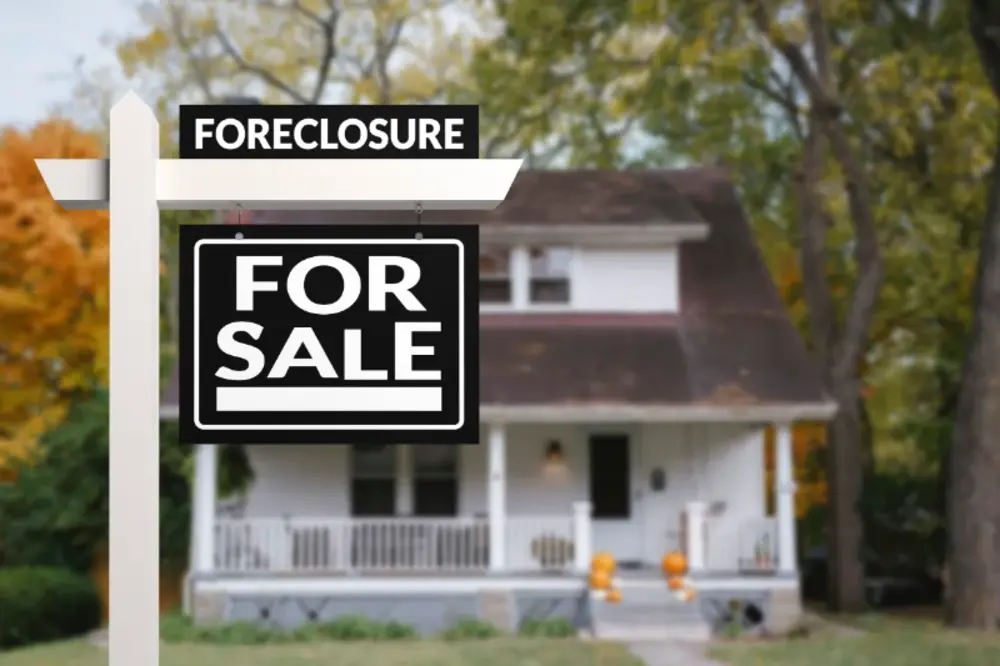
If you’re handy or plan to renovate, it might be a smart investment. But if you need a move-in-ready place, you may want to proceed with caution or work with an inspector who specializes in distressed properties.
Wondering whether to buy an existing home or build one from scratch?
Buying a house offers speed and location flexibility. You can move in within 30–60 days. Existing homes often come with established neighborhoods and landscaping.
Building a house allows customization but can take 6–12 months and often costs more.
Decide what matters more: timing and convenience or personalization and new materials.
Several first time home buyer programs can reduce upfront costs:

- FHA loans with low down payments
- Down payment assistance programs
- State-sponsored grants and tax credits
- VA loans for eligible service members
These programs help make buying a house more accessible, especially for those with limited savings.
The home buying process doesn’t have to be overwhelming. By understanding the steps — from getting preapproved for a mortgage to comparing FHA vs conventional loans, conducting a home inspection, and finally closing the deal — you can approach the experience with confidence.
Explore first-time home buyer programs, choose the right professionals, and stick to your financial goals. Whether you’re considering a foreclosed home, duplex, or even a vacation home, you’re now equipped to make smart, informed decisions.
How long does the home buying process take?
Typically 30–60 days from offer to closing.
What’s the minimum credit score to buy a house?
Most lenders look for a score of 620 or higher. FHA loans accept scores as low as 580.
Can I buy with no down payment?
Yes, with programs like VA loans or USDA loans (for rural areas), you might qualify for 0% down.

Dave’s toolbox is his best friend. He’s the repair maestro who can fix any garage hiccup, making your life hassle-free.